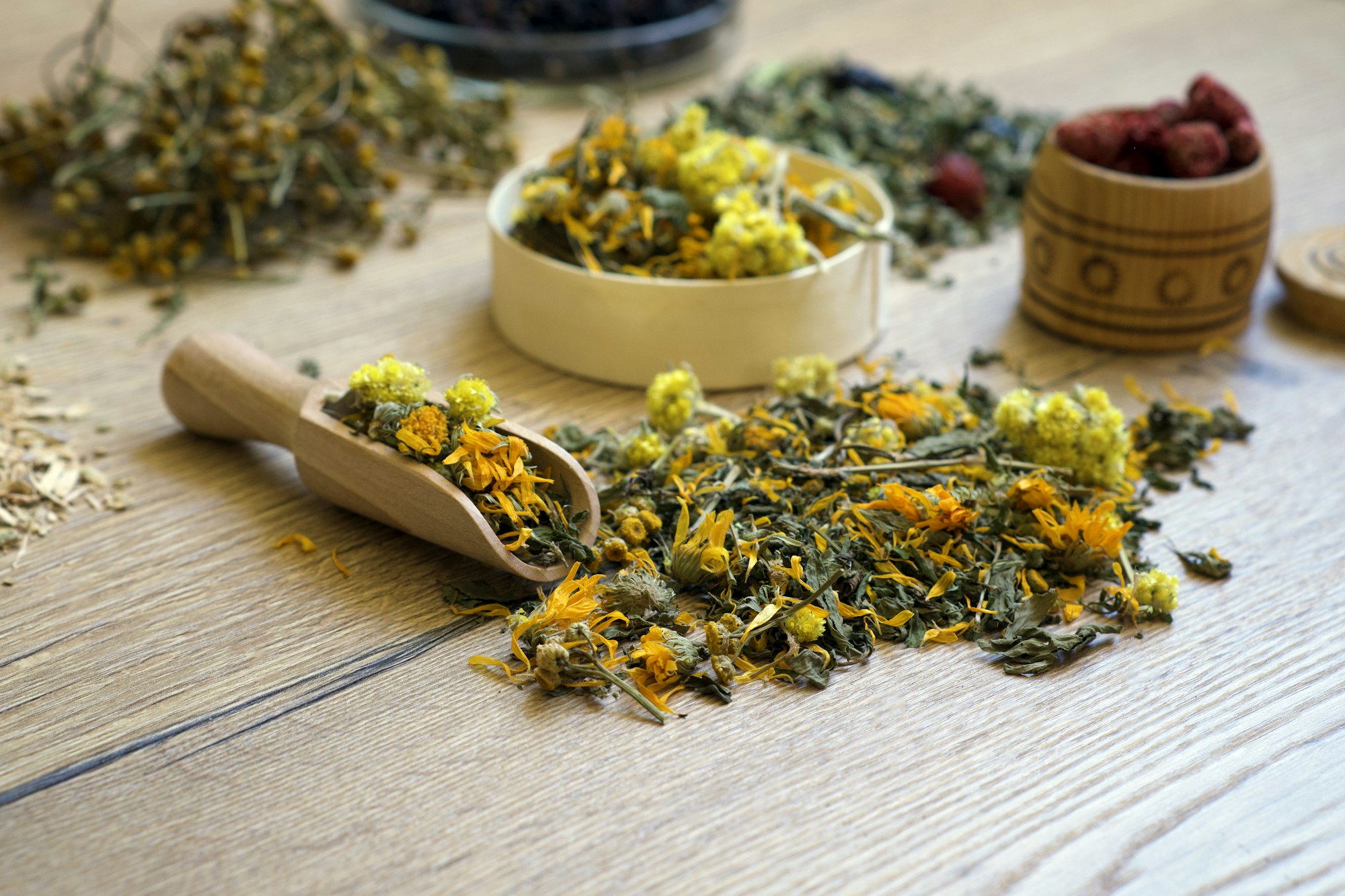
Living with diabetes requires a comprehensive approach to health, and while medications play a crucial role, there is growing interest in complementary strategies. Herbs, with their natural properties, have been studied for their potential to help manage diabetes. In this blog post, we’ll explore some herbs that show promise in supporting individuals with diabetes. Remember, it’s essential to consult with a healthcare professional before incorporating new herbs into your routine, especially if you’re already on medication.
Understanding Diabetes and its Management
Diabetes is a chronic condition characterized by high blood sugar levels, and effective management involves lifestyle modifications, medication, and sometimes, complementary therapies. Herbs can complement conventional treatments by offering potential benefits, but they should not replace prescribed medications.
1. Cinnamon: A Spice with Potential
1.1 How it Works:
- Cinnamon has been studied for its ability to improve insulin sensitivity, which is crucial for managing diabetes. It may also lower blood sugar levels by slowing down the absorption of glucose after a meal.
1.2 Incorporating Cinnamon:
- Add a sprinkle of cinnamon to your morning oatmeal, incorporate it into smoothies, or infuse it into your tea. However, moderation is key, and it’s advisable to choose Ceylon cinnamon, known as “true” cinnamon, over cassia cinnamon for long-term use.
2. Fenugreek: A Seed with Potential Benefits
2.1 How it Works:
- Fenugreek seeds are rich in soluble fiber, which can help regulate blood sugar levels. Some studies suggest that fenugreek may also improve insulin sensitivity.
2.2 Incorporating Fenugreek:
- Fenugreek seeds can be added to dishes, or you can brew fenugreek tea. It’s advisable to start with small amounts and monitor your body’s response.
3. Bitter Melon: A Vegetable with Blood Sugar-Controlling Properties
3.1 How it Works:
- Bitter melon contains compounds that may mimic the action of insulin, helping to lower blood sugar levels. It also has antioxidant properties that can be beneficial for overall health.
3.2 Incorporating Bitter Melon:
- Bitter melon is often used in Asian cuisine. It can be stir-fried, added to soups, or juiced. As its name suggests, it has a bitter taste, so consider combining it with other flavors to make it more palatable.
4. Turmeric: Golden Spice with Anti-Inflammatory Benefits
4.1 How it Works:
- Curcumin, the active compound in turmeric, has anti-inflammatory properties and may contribute to improved insulin sensitivity. Turmeric may also support cardiovascular health, an important consideration for those with diabetes.
4.2 Incorporating Turmeric:
- Use turmeric in your cooking, make a warming turmeric tea, or consider taking turmeric supplements. However, consult with a healthcare professional to determine the appropriate dosage.
5. Gymnema Sylvestre: The “Sugar Destroyer”
5.1 How it Works:
- Gymnema sylvestre is known as the “sugar destroyer” in traditional medicine. It may help reduce sugar absorption in the intestines and enhance insulin function.
5.2 Incorporating Gymnema Sylvestre:
- Gymnema supplements are available, but it’s crucial to consult with a healthcare professional to determine the right dosage for your individual needs.
6. A Word of Caution: Consultation is Key
While herbs can offer potential benefits for diabetes management, it’s essential to approach their use with caution. Always consult with your healthcare provider before incorporating new herbs into your routine, especially if you’re taking medications for diabetes or other health conditions. Herbal remedies should complement, not replace, prescribed medications.
Conclusion: A Holistic Approach to Diabetes Management
Managing diabetes requires a holistic approach that encompasses lifestyle, nutrition, and, potentially, the thoughtful integration of herbs. The herbs mentioned here have shown promise in supporting diabetes management, but their effectiveness can vary from person to person.
Remember, diabetes management is highly individual, and what works for one person may not work for another. Your healthcare provider can guide you in creating a well-rounded approach that aligns with your unique health needs. By combining the benefits of herbs with a healthy lifestyle and medical guidance, you can take proactive steps towards managing diabetes and fostering overall well-being.