Fitness is a journey that should be accessible to every body, regardless of experience, age, or fitness level. In this blog post, we’ll delve into the art of tailoring workouts for individuals of varying fitness levels, exploring how a personalized and inclusive coaching approach can ensure that everyone, from beginners to seasoned athletes, can thrive on their fitness journey.
Understanding Diverse Fitness Levels
Every person stepping into a fitness routine brings a unique set of abilities, limitations, and goals. As a fitness coach, adapting your approach to accommodate these differences is not just a practice in inclusivity; it’s a key factor in fostering a positive and supportive fitness environment.
1. Establishing a Foundation: Assessing Individual Needs
1.1 Initial Assessment:
- Begin by conducting a comprehensive initial assessment. This can include discussions about health history, fitness goals, and any specific concerns or limitations. Assessing mobility, flexibility, and baseline fitness levels provides a foundation for creating tailored workouts.
1.2 Open Communication:
- Foster an environment where open communication is encouraged. Regular check-ins and feedback sessions help individuals feel supported and ensure that the workout plans align with their evolving needs.
2. Personalization: Crafting Tailored Workout Plans
2.1 Beginner Workouts:
- For beginners, focus on building a solid foundation. Introduce basic bodyweight exercises, simple movements, and gradually progress as they gain confidence and strength. Emphasize proper form to prevent injuries and instill a sense of accomplishment.
2.2 Intermediate Progression:
- Intermediate participants benefit from a mix of strength training, cardiovascular exercises, and flexibility work. Introduce more complex movements and variations, gradually increasing intensity. Tailor the workout to align with specific goals, whether it’s weight loss, muscle gain, or improved endurance.
2.3 Advanced Challenges:
- Seasoned athletes thrive on challenges. Introduce advanced techniques, incorporate high-intensity intervals, and create workout plans that push their limits while ensuring safety. Goal-oriented programming, such as performance benchmarks or competition preparation, can keep advanced individuals engaged and motivated.
3. Variety and Adaptability: Keeping It Engaging
3.1 Varied Modalities:
- Incorporate a variety of exercise modalities to keep workouts interesting and challenging. This includes traditional strength training, cardiovascular exercises, flexibility work, and activities like yoga or Pilates.
3.2 Adaptability:
- Recognize that individual needs may change over time. Be adaptable in modifying workout plans based on progress, goals, and any changes in health status. A dynamic approach ensures continued engagement and prevents plateauing.
4. Inclusivity: Creating a Welcoming Environment
4.1 Modifications and Progressions:
- Provide modifications for exercises to accommodate different fitness levels. Simultaneously, offer progressions for those seeking additional challenges. This approach ensures that everyone in the group feels included and appropriately challenged.
4.2 Group Dynamics:
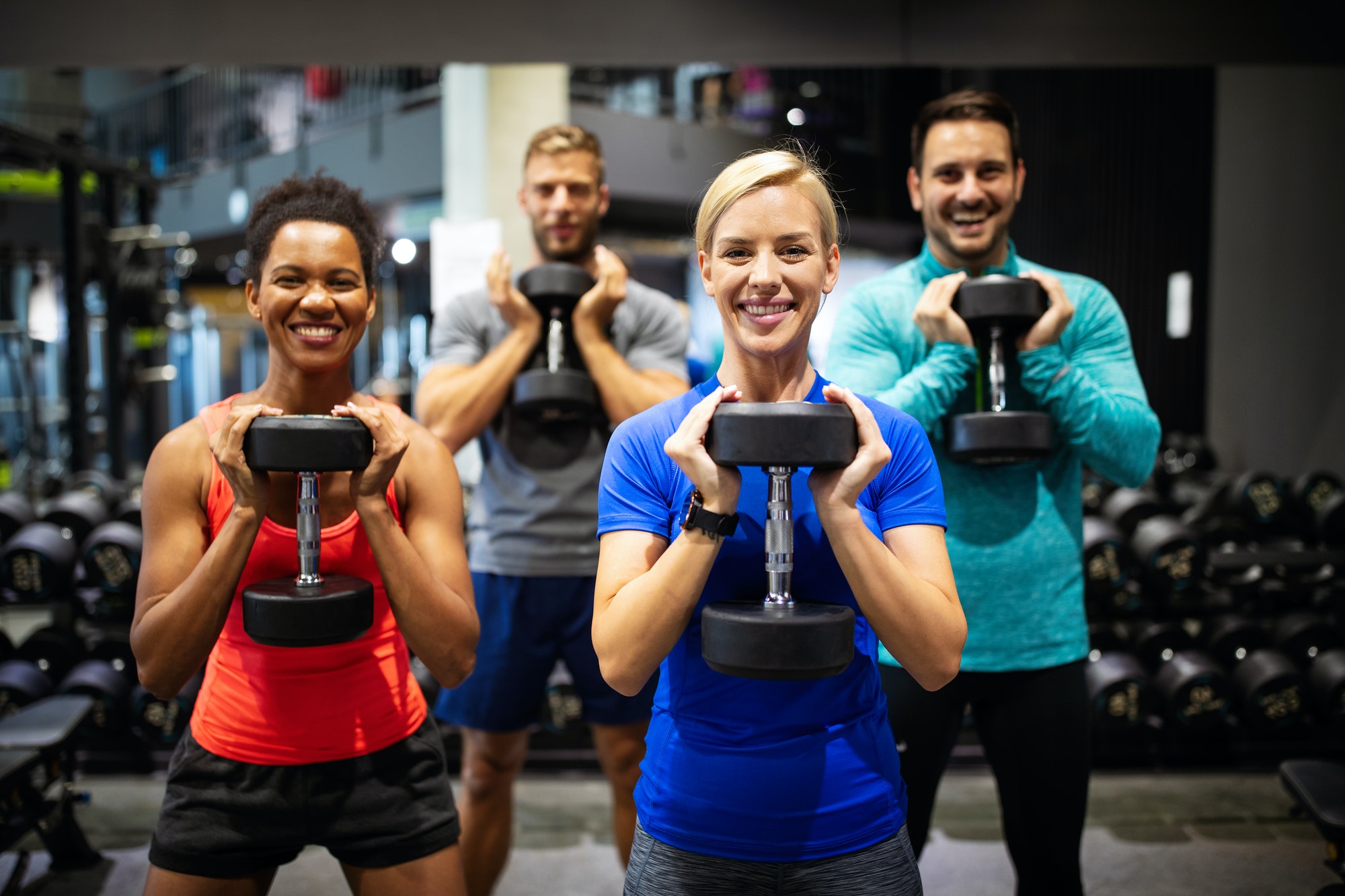
- Foster a sense of community within your fitness programs. Encourage participants to support and celebrate each other’s achievements, creating a positive and inclusive atmosphere that motivates individuals at every fitness level.
5. Educating and Empowering: Building Sustainable Habits
5.1 Educational Components:
- Educate participants about the principles of fitness, nutrition, and overall well-being. Understanding the “why” behind certain exercises and lifestyle choices empowers individuals to make informed decisions and adopt sustainable habits.
5.2 Goal Setting:
- Collaborate with participants to set realistic and achievable goals. These goals serve as milestones, providing a sense of direction and purpose on their fitness journey.
Conclusion: Fitness as a Personalized Journey
Tailoring workouts for all fitness levels is not just about accommodating differences; it’s about celebrating them. As a fitness coach, your role is to guide and empower individuals on their unique journeys to health and well-being.
By creating personalized, inclusive, and adaptable workout plans, you’re not just coaching a group; you’re cultivating a community where every body is welcome and can thrive. Here’s to the journey of fitness for every body – a journey that embraces diversity, celebrates progress, and fosters a lifelong love for movement and well-being.